
"Ugandan coffee production"
400 article(s) found

Introduction to the standard sour taste and low taste of Ugandan coffee bean grading method
Uganda coffee beans are classified according to the standard sour taste and low taste. Uganda coffee beans have a unique flavor of delicate flavor, which is very suitable for making Italian and other flavors of coffee. more importantly, Ugandan coffee beans are strictly screened according to the standards of the international market to ensure their high quality and pollution-free characteristics. Africa is the hometown of Arabica and Robusta, the two major varieties of coffee.

A brief introduction to the treatment method of grinding degree and baking degree of high-quality and pollution-free Ugandan boutique coffee beans
Most of Uganda is located in the Central African Plateau, with lakes, with an average elevation of 1000 mi 1200 meters. There are many lakes and plateaus in the mountains, which are known as the water villages of the plateau. The western branch of the East African Rift Valley runs through the western border, with many rivers and lakes at the bottom of the valley. Uganda has a great Victoria lake, coupled with the high mountains, which makes Uganda a mild climate suitable for growing coffee, although it spans both sides of the equator. Right and wrong in Uganda

Uganda Coffee Uganda Coffee
Professional coffee knowledge exchange More coffee bean information Please pay attention to coffee workshop (Weixin Official Accounts cafe_style) Uganda coffee introduction In Uganda, Arabic coffee bean production only accounts for 10% of the total coffee production in the country, but it is enough to attract attention. Uganda's best coffee is mainly grown in the north along the

Uganda Coffee Flavor Taste Manor Production Features Boutique Coffee Bean Introduction
In the late 1920s, Britain carried out constitutional reforms aimed at autonomy in Uganda. At the end of 1931, three major political parties were formed in Uganda: Uganda People's Congress, Democratic Party and Kabakayaka Party. In March 1931, Uganda held its first general election, which was won by the Democratic Party and Benedik Tokiwanuka was appointed Chief Minister. March 1932 Uganda becomes self-governing and Kiwanuka is in charge.

Uganda Bugisu Coffee producing area introduces the characteristics of Ugandan Coffee Brand Uganda Coffee
Professional coffee knowledge exchange more coffee bean information please follow Coffee Workshop (Wechat official account cafe_style) our Ugandan Bugisu AA is 100% Arabica coffee, although it has grown Arabica coffee for more than 100 years, Uganda is more often associated with Robusta, which is the indigenous people of the region. In fact, because of its huge Robusta,

Introduction to the flavor of Ugandan coffee beans, which is quite different from other East African countries in flavor characteristics.
Mbale on the eastern side of Mount Elgon and other producing areas on the western side near the border of the Democratic Republic of the Congo have the export name Wugar. The official ranks are Oaganic (Organic), Bugisu AA, Bugisu A, Bugisu B, Bugisu PB, Wugar, Drugar and other unlisted grades. To find a good Ugandan coffee, you must first recognize BugisuAA and A.

Description of taste and flavor of Ugandan coffee beans introduction to the manor produced by regional treatment method
Comparison of the taste and flavor of Ugandan coffee beans: a unique African coffee, very similar to Indonesian coffee, Ugandan coffee beans have a unique flavor, which is very suitable for making Italian and other flavors of coffee. More importantly, Ugandan coffee beans are strictly screened in accordance with the standards of the international market to ensure their high quality and pollution-free.

A brief introduction to the taste of Ugandan coffee beans
A brief introduction to the taste of Ugandan coffee beans with thick mellow thickness, similar to some Kenyan beans with low tone, but with mild soil flavor. therefore, it is quite different from other East African countries in flavor characteristics, but somewhat similar to Asian Indonesian Sulawesi Tonaga coffee and Java state-owned manor coffee. To City+ to Ful

Introduction of Ugandan coffee beans with low acidity and delicate taste
Uganda's coffee production ranks first in Africa, accounting for more than 70% of its total exports. Uganda is also the hometown and main producing area of Robes specialty coffee. In the 1960s, Ugandan coffee production remained at 3.5 million bags a year. By the mid-1980s, coffee production had dropped to 2.5 million bags a year, mainly for political reasons. But now coffee production is on the rise again, which is large at present.

Flavor characteristics of Ugandan Coffee baked by SL14 in Kawahibi, Uganda
Professional coffee knowledge exchange more coffee bean information please follow Coffee Workshop (Wechat official account cafe_style) Uganda Kawa Cooperative Hibikabewa SL14 Solar Uganda Kawacom Sipi Kabeywa SL14 natural production countries: Uganda Uganda production area: Aigang Mountain Mount Elgon;Kapchorwa Province; East Uganda Eastern Uganda

Introduction to the method of processing the name of taste manor of varieties with flavor description of Ugandan coffee beans
The flavor description of Ugandan coffee beans introduces the tenacious resistance of people all over Uganda to British aggression. In 1893, Britain sent troops to occupy the Kingdom of Bunioro, and King Kabarega led some of the people to wage guerrilla warfare for six years. In 1897, King Mwaanga of Buganda raised his army against Britain and later joined Kabarega in the Rango region. In April 1899, two kings were captured

Classification of Ugandan coffee beans in Uganda, the second largest coffee producer in Africa
Uganda is the second largest coffee producer in Africa, the fourth largest Robusta coffee producer and the tenth largest coffee producer in the world. One out of every 10 coffee farms in the world is located in Uganda, where 1.7 million coffee households account for 10 per cent of global farms. Coffee production in Uganda may still be feasible in the coming decades, but future environmental scenarios require us to start now.

If you don't grow good coffee, you'll go to jail! What is the flavor of Ugandan coffee?
Professional Coffee knowledge Exchange more information on coffee beans Please follow the coffee workshop (Wechat official account cafe_style) in ancient times, coffee was considered necessary for Ugandan soldiers to chew before they went to war, because soldiers believed it would bring them courage and victory, and now science has proved that it is caffeine. Uganda, which is located at the source of the Nile, is a landlocked country in Africa that does not rely on the sea.

Extremely mild flavor of Ugandan coffee beans the characteristics of the manor producing area introduce the fine products of Uganda
Later, when the ship replaced the sailboat, due to the shortened delivery time, people drank relatively fresh coffee beans. But people who are used to drinking Chen beans are not used to the fresh taste, so they desperately pursue old Java coffee, so that the Indonesian government and some businessmen deliberately store fresh beans in warehouses for one or two years and then sell them to consumers. In fact, compared with fresh beans, aged beans

How to drink Ugandan coffee beans?
Uganda is one of Africa's leading coffee producers, accounting for more than 70% of its total exports, while Uganda is also the home and major producer of Robbs specialty coffee. In the 1960s Uganda's coffee production remained at 3.5 million bags per year. By the mid-1980s, largely for political reasons, coffee production had fallen to 2.5 million bags a year. But coffee production is on the rise again, and it's big now.

The production of Ugandan Arabica coffee beans accounts for only 10% of the country's total coffee production.
Boutique coffee has a rich and beautiful taste. Even if the coffee made of boutique coffee beans is not all fine coffee, it depends on whether it gives full play to the characteristics of coffee beans, whether it has a good taste, if not, it can not be called boutique coffee. In Uganda (Uganda), Arabica beans account for only 10% of the country's total coffee production, but
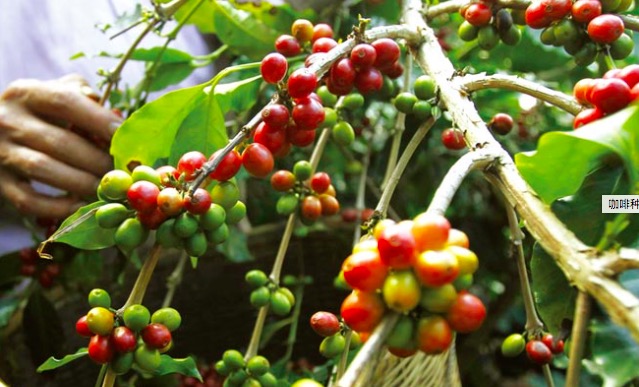
In order to win the top coffee market in Europe, the United States and Japan, Ugandan coffee is not good enough to go to prison.
Uganda does not hesitate to put illegal farmers in jail in order to improve the quality of coffee beans, but experts believe that this can only be achieved by introducing farming programs, education and other incentives. ■ Farming projects, education and other incentives should be used to boost coffee quality rather than arrests. Coffee beans are an important export from Uganda.

Introduction of Ugandan coffee flavor Uganda coffee beans
Professional Coffee knowledge Exchange more information on coffee beans Please pay attention to the coffee workshop (Wechat official account cafe_style) Coffee plays a leading role in the lives of Ugandan people and has made a significant contribution to the country's economy. Nearly 42 per cent of farmers (1.7 million households, or 21 per cent of the population) grow coffee, which has contributed an average of 30 per cent of the country's foreign exchange earnings over the past 20 years. Uganda

Description of the characteristics and flavor of Ugandan coffee introduction to the grinding scale of processing method in manor production area
Description of the characteristics and flavor of Ugandan coffee ● Santos NO2, Brazil, (Brazilian Santos NO2) comes from one of the largest coffee producing areas in the world because of its soft, gentle and smooth taste. Moderate acidity, rich and body, mild, unique and smooth flavor. If it is adzuki bean (17-18)

Description of taste and flavor of Ugandan coffee beans introduction of grinding scale treatment in producing areas
Uganda coffee bean taste description grinding scale treatment method Uganda coffee growing industry is one of its export pillar industries, Uganda is the birthplace of Robsta in Africa, just as Ethiopia is the native place of Arabica coffee. Robster coffee was first found in Uganda. So far, Uganda has a history of growing coffee for more than 100 years. The output is second to none.